
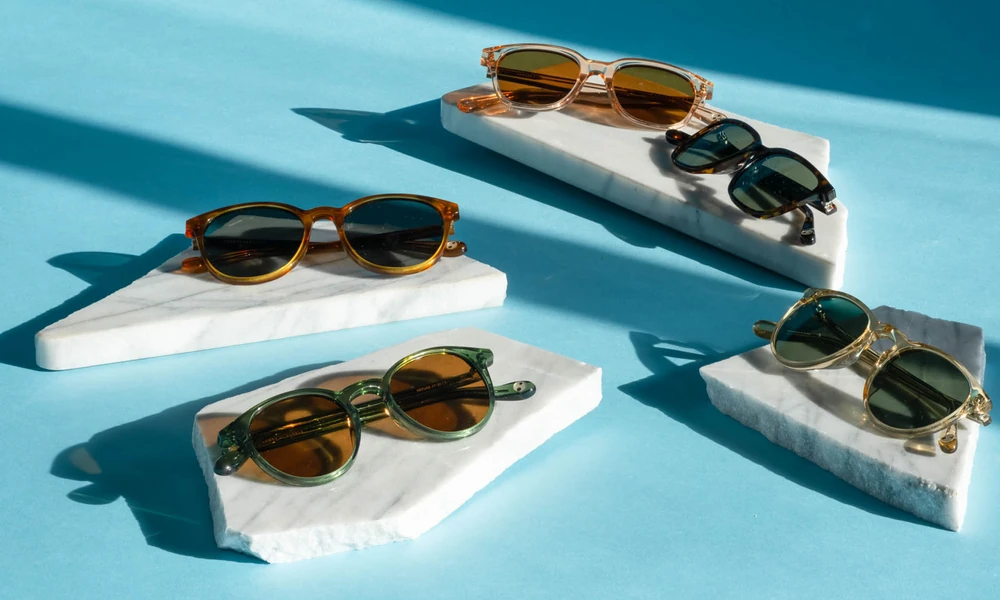

A good pair of sunglasses earns its place on ordinary days, not just holidays. Fit, lens coverage and weight matter as much as frame shape. Once those basics are right, style becomes much easier to choose.
Sunglasses Style Reference
| Style | Good For | Try It With |
| Aviator | Travel and casual wear | Most face shapes |
| Wayfarer | Everyday outfits | Casual and smart casual |
| Cat-eye | Dressier looks | Simple outfits |
| Sport frame | Active days | Travel, outdoor wear |
Fit the Bridge Before Judging the Shape
The frame should sit securely on the nose without leaving deep pressure marks or sliding when you look down. If you are browsing Voyage Sunglasses, pay attention to bridge width and frame weight rather than choosing only from the front view. A flattering shape of Voyage sunglasses is not useful if it needs adjusting every few minutes.
Check What the Lenses Actually Cover
Large lenses give more coverage, while smaller styles can leave more light entering around the edges. Think about where you will wear them: driving, walking, beaches or city travel. Coverage should match the setting as well as the look you prefer.
Look for UV Information
Tint darkness and UV protection are not the same thing. Read the product details for lens protection information. When comparing Vogue Sunglasses, also check whether the lenses of vogue sunglasses are polarised if glare reduction is important for driving, water or bright outdoor environments.
Use Face Width as a Practical Guide
Instead of following rigid face-shape rules, start with proportion. The frame should not feel much wider than your face or squeeze at the temples. Try smiling and turning your head. A good fit should stay comfortable through those movements.
Choose a Frame You Can Repeat
Statement sunglasses are fun, but an everyday pair should work with several outfits. Black, tortoiseshell, metal, and neutral frames are easy to repeat. If you want colour, choose one that already appears in your wardrobe or accessories.
To Wrap Up
The best sunglasses combine a frame you like with a fit you can wear for hours. Check the bridge, lens coverage, UV information, and overall proportion before focusing on trends. A pair that feels good will naturally become part of more outfits. Small practical details often matter more after a few weeks than they do during the first try-on.
FAQs
1. Does a darker lens mean better protection?
No, and this is the most common misconception. Darkness opens the pupil, so a dark lens without ultraviolet filtering lets more through.
2. Is polarisation worth paying for?
Yes, for driving and coastal use. It cuts glare and reduces eye fatigue, though it can make phone and dashboard screens harder to read.
3. Which frame shape suits my face?
Use contrast. Angular frames add definition to a rounder face and rounded frames soften a strong jaw. Width matters more than shape.
4. Acetate or metal?
Acetate holds colour permanently and survives being sat on better. Metal is lighter and thinner but bends under pressure in a bag.
5. Why did my lens coating peel?
Heat, almost always from a parked car. Indian car interiors in summer reach temperatures that delaminate coatings permanently.
The Ultimate Guide to Choosing Sunglasses

